
Complete History of English Literature PPT Notes (Complete Series)
Today we Have Shared the History Of English Literature PPT Slides Notes, or Complete History of English Literature PPT Slides, which Help a Lot in your Upcoming Exams, You can read these notes in your Regional Language by pressing the translation button (see Upside, on your right (do not scroll).
Table of Contents
English literature, with its rich and diverse tapestry, has evolved over centuries, reflecting the cultural, social, and political changes that have shaped the English-speaking world. The history of English literature is a captivating journey through time, marked by literary movements, influential writers, and the evolution of the English language itself. In this article, we will know the Complete History of English Literature. So, Let’s Start the Journey.
Complete History of English Literature PPT Slides Notes
(PPT Series Lec 1)
Important:-
- If you are viewing this PPT on your phone, please make it full screen and then view it. (Press: 3 dots in PPT, then Full Screen)
- If you have a problem while clicking on next, (Just tap) on the slide instead of clicking Next Botton.
- FOR A BETTER VIEW PRESS Ctrl + Shift + F ON A PC OR LAPTOP.
- Whatever is written in the PPT is different and whatever is written below is different.
Unveiling the Epochs: An Overview of the 8 Periods in English Literature
English literature, a kaleidoscope of literary treasures, unfolds across 8 distinct periods, each encapsulating the essence of its time. Let us embark on a chronological exploration of these periods:
Here’s a detailed timeline table of the history of English literature:
| Period | Time Frame | Key Events and Works |
|---|---|---|
| Old English Period or Anglo-Saxon Period | 450–1066 | – 450–1066: Old English literature flourishes. – Notable Works: “Beowulf,” Bede’s “Ecclesiastical History.” |
| The Middle English Period | 1066–1500 | – 1066–1340: Anglo-Norman Period. – 1340–1400: The Age of Chaucer, with “The Canterbury Tales.” |
| The Renaissance Period | 1500–1600 | Early Renaissance – 1485–1558: Early Tudor Period – 1558–1603: Elizabethan Age; Age of Shakespeare. – 1603–1625: Jacobean Age; Age of Donne – 1625–1649: Caroline Age; Age of Milton / Puritan Age – 1649–1660: Commonwealth Period |
| The Neo-classical Period | 1660–1798 | Pseudo Classical – 1660–1700: The Restoration Period, Age of Dryden; theaters reopen. – 1700–1745: The Augustan Age or The Age of Pope – 1745–1798: The Age of Sensibility or The Age of Johnson |
| The Romantic Period | 1798–1837 | – 1798: Lyrical Ballads published; start of Romantic Age. |
| The Victorian Period | 1837–1901 | – 1848–1860: The Pre-Raphaelites – 1880–1901: Aestheticism and Decadence |
| The Modern Period | 1901–1939 | – 1901–1910: Edwardian Age; social and political changes. – 1910–1936: Georgian Period/Poetry Anthologies published. |
| – 1914–1918: World War I influences literature. | ||
| The Post-Modern Period | 1939- Till Now | – 1939–1945: World War II impacts literary expression. |
| – |
This comprehensive table outlines the major periods, time frames, key events, and notable works in the history of English literature.
After and Before
Before the Old English or Anglo-Saxon Period (before 450):
- Pre-450: This period is often referred to as the prehistoric period, characterized by oral traditions, folklore, and tribal societies. The Germanic tribes, including the Anglo-Saxons, gradually migrated to the British Isles.
After the Modern Age (after 1950):
- Post-1950: The period after 1950 is considered contemporary literature, which encompasses a diverse range of literary movements and styles. Some key developments include the rise of postmodernism, the emergence of new voices from various cultural backgrounds, and the impact of technological advancements on literature.
It’s important to note that the classification of literary periods is somewhat arbitrary, and the transition between periods is not always clear-cut. The contemporary period is ongoing and continues to witness new literary movements, genres, and voices.
Old English (450–1066)
The earliest epoch lays the foundation for English literature with works like the epic poem “Beowulf.” Rooted in oral traditions, Old English literature reflects the cultural amalgamation of the Anglo-Saxons, encompassing heroic tales and expressions of early Christian influences.
Here’s a table summarizing the key aspects of the Old English period (450–1066):
| Aspect | Description |
|---|---|
| Time Frame | 450–1066 |
| Literary Form | Primarily oral, with a focus on epic poetry and sagas. |
| Language | Old English, a Germanic language with Anglo-Saxon roots. |
| Influences | Anglo-Saxon cultural traditions, Germanic folklore, and early Christian themes. |
| Notable Work | Beowulf: An anonymous epic poem narrating the heroic deeds of its protagonist. |
| Themes | Heroism, fate, the struggle between good and evil, and Christian elements. |
| Literary Characteristics | Alliteration, kennings (compound expressions), and a strong oral tradition. |
| Cultural Context | Migration of Anglo-Saxons to England, the establishment of Anglo-Saxon kingdoms, and the influence of Christianity. |
| Manuscript Sources | Most Old English literature is preserved in manuscripts like the Exeter Book and the Vercelli Book. |
| Historical Events | Viking invasions, the Battle of Hastings in 1066, and the Norman Conquest. |
| Legacy | The foundation of English literature, laying the groundwork for later literary developments. |
| Surviving Works | Besides Beowulf, other surviving works include religious texts, riddles, and chronicles. |
The Old English period serves as a crucial chapter in the history of English literature, marking the early stages of literary expression in the English language.
Middle English (1066–1500)
The Norman Conquest reshapes England, ushering in the Middle English period. Geoffrey Chaucer’s “The Canterbury Tales” stands as a testament to this era, where a melting pot of linguistic influences begins to shape the language, blending Old English with French and Latin elements.
Here’s a table summarizing the key aspects of the Middle English period (1066–1500):
| Aspect | Description |
|---|---|
| Time Frame | 1066–1500 |
| Literary Form | The transition from oral tradition to written literature; the emergence of Middle English literature. |
| Language | Middle English, a blend of Old English, French, and Latin influences. |
| Influences | Norman Conquest (1066), French and Latin literature, and the impact of courtly love traditions. |
| Notable Work | The Canterbury Tales by Geoffrey Chaucer: A collection of stories told by pilgrims on their way to Canterbury, showcasing a diverse range of characters and narrative styles. |
| Themes | Exploration of social classes, satire, chivalry, courtly love, and religious themes. |
| Literary Characteristics | Rhymed couplets, iambic pentameter, and increased use of vernacular Middle English. |
| Cultural Context | Normans and Anglo-Saxons coexisting, the Hundred Years’ War, the Black Death, and the Peasants’ Revolt. |
| Manuscript Sources | Manuscripts such as the Ellesmere Manuscript and the Hengwrt Manuscript contain Middle English works. |
| Historical Events | Norman Conquest, the Magna Carta (1215), the Hundred Years’ War (1337–1453), and the Black Death (1347–1351). |
| Legacy | The consolidation and development of the English language, with Chaucer establishing vernacular Middle English as a literary language. |
| Surviving Works | Aside from The Canterbury Tales, other works include Sir Gawain and the Green Knight and Troilus and Criseyde by Chaucer, and works by Langland and Gower. |
The Middle English period represents a crucial stage in the evolution of English literature, characterized by linguistic transformations, social changes, and the emergence of iconic literary works.
Renaissance (1500–1600)
The Renaissance heralds a revival of classical learning, arts, and literature. William Shakespeare, a luminary of this period, contributes timeless plays that transcend centuries. The era embraces humanism and intellectual exploration, setting the stage for profound literary achievements.
Here’s a table summarizing the key aspects of the Renaissance period (1500–1600) in English literature:
| Aspect | Description |
|---|---|
| Time Frame | 1500–1600 |
| Literary Form | Renaissance marks a revival of classical learning, arts, and literature. Rise of humanism and exploration of individualism. |
| Language | Continued development of Middle English, with increasing influence from Latin and classical languages. |
| Influences | Revival of classical texts, exploration of humanism, and the impact of the Italian Renaissance. |
| Notable Work | Various works by William Shakespeare, including plays like “Hamlet,” “Romeo and Juliet,” and “Macbeth.” |
| Themes | Humanism, individualism, exploration of classical mythology, love, and tragedy. |
| Literary Characteristics | Use of iambic pentameter, sonnets, blank verse, and the development of the English sonnet. |
| Cultural Context | The Tudor dynasty, the reigns of Henry VIII and Elizabeth I, and the cultural flourishing of the Elizabethan era. |
| Manuscript Sources | Printing press becomes more widespread, leading to increased publication of literary works. |
| Historical Events | The Protestant Reformation, Tudor monarchy, and the Age of Exploration. |
| Legacy | The establishment of English as a literary language, the enduring influence of Shakespeare, and the foundation for the flourishing literary culture of the Elizabethan period. |
| Surviving Works | Works by Shakespeare, Christopher Marlowe, Edmund Spenser, and Thomas More’s “Utopia.” |
The Renaissance period in English literature is characterized by a revival of classical ideas, artistic innovation, and the flourishing of some of the most renowned literary works in the English language.
Neoclassical (1600–1785)
The Neoclassical period, marked by reason and order, witnessed the emergence of literary giants like John Dryden and Alexander Pope. Satirical wit and adherence to classical forms define this era, as writers engage with societal norms and Enlightenment ideals.
Here’s a table summarizing the key aspects of the Neoclassical period (1600–1785) in English literature:
| Aspect | Description |
|---|---|
| Time Frame | 1600–1785 |
| Literary Form | Emphasis on reason, order, and classical forms; Shift towards more polished and formal writing. |
| Language | Development of Early Modern English, influenced by classical languages such as Latin and Greek. |
| Influences | Classical literature, Enlightenment ideals, and the scientific revolution. |
| Notable Work | “Paradise Lost” by John Milton: An epic poem exploring the fall of man, blending classical and biblical themes. |
| Themes | Rationality, satire, morality, and adherence to classical rules of literature. |
| Literary Characteristics | Use of heroic couplets, satire, didacticism, and emphasis on clear, concise language. |
| Cultural Context | The Restoration of the monarchy, the Glorious Revolution, and the Age of Enlightenment. |
| Manuscript Sources | Increasing reliance on printed texts and the growth of literary magazines and newspapers. |
| Historical Events | The English Civil War, the Restoration of the monarchy (1660), and the Glorious Revolution (1688). |
| Legacy | A focus on reason and classical ideals in literature, influencing later periods like the Enlightenment and Romanticism. |
| Surviving Works | John Dryden’s poetry and essays, Alexander Pope’s “The Rape of the Lock” and “The Dunciad,” and Jonathan Swift’s “Gulliver’s Travels.” |
The Neoclassical period in English literature reflects a departure from the emotional excesses of the preceding Renaissance, embracing reason, clarity, and a return to classical literary norms.
Romantic (1785–1832)
The Romantic period ushers in an emotional and imaginative surge, challenging the rationalism of the preceding era. Poets like William Wordsworth and Lord Byron delve into nature, individualism, and intense human emotions, leaving an indelible mark on the literary landscape.
Here’s a table summarizing the key aspects of the Romantic period (1785–1832) in English literature:
| Aspect | Description |
|---|---|
| Time Frame | 1785–1832 |
| Literary Form | Emphasis on emotion, imagination, and individualism; A reaction against Neoclassicism. |
| Language | Continued development of Early Modern English; Exploration of linguistic creativity. |
| Influences | Reaction against the Industrial Revolution, exploration of nature, and a fascination with the medieval. |
| Notable Work | “Lyrical Ballads” by William Wordsworth and Samuel Taylor Coleridge: A collection of poems that marked the beginning of the Romantic movement. |
| Themes | Nature, individualism, emotional expression, supernatural elements, and a focus on the sublime. |
| Literary Characteristics | Use of vivid imagery, lyricism, exploration of the imagination, and a rejection of strict literary forms. |
| Cultural Context | Industrial Revolution, social upheaval, and the impact of the French and American Revolutions. |
| Manuscript Sources | Increased reliance on printed materials, with a rise in literary periodicals and magazines. |
| Historical Events | French Revolution (1789–1799), Napoleonic Wars, and societal changes brought about by industrialization. |
| Legacy | Shaped the Romantic literary tradition, influencing later movements such as Victorian literature and modernism. |
| Surviving Works | William Blake’s poetry, Mary Shelley’s “Frankenstein,” and the poetry of John Keats and Lord Byron. |
The Romantic period in English literature is characterized by a celebration of individual expression, a deep connection with nature, and a rejection of the constraints imposed by the preceding Neoclassical era.
Victorian (1832–1901)
The Victorian era unfolds against the backdrop of an expanding British Empire and social upheavals. Dickens, Brontë, and Hardy capture the complexities of Victorian society through novels, while poets like Tennyson explore the profound shifts in societal values.
Here’s a table summarizing the key aspects of the Victorian period (1832–1901) in English literature:
| Aspect | Description |
|---|---|
| Time Frame | 1832–1901 |
| Literary Form | Exploration of various literary genres, including novels, poetry, and essays. Rise of the novel as a dominant form. |
| Language | Continued development of Early Modern English; Expansion of vocabulary and expression. |
| Influences | Social and industrial changes, scientific advancements, and a moral and ethical emphasis. |
| Notable Work | Charles Dickens’ “Great Expectations” and Charlotte Brontë’s “Jane Eyre.” |
| Themes | Social reform, morality, industrialization, gender roles, and the impact of colonialism. |
| Literary Characteristics | Realism in novels, exploration of psychological depth, and use of elaborate and formal language. |
| Cultural Context | The Victorian era was marked by the Industrial Revolution, social reforms, and the expansion of the British Empire. |
| Manuscript Sources | Continued reliance on printed materials; Growth of newspapers, magazines, and serialized novels. |
| Historical Events | The Reform Acts, the Crimean War, the publication of Darwin’s “On the Origin of Species,” and Queen Victoria’s reign. |
| Legacy | The Victorian period laid the foundation for the modern novel and explored complex social issues, leaving a lasting impact on literature. |
| Surviving Works | Works by Dickens, Brontë, George Eliot’s “Middlemarch,” and poetry by Alfred Lord Tennyson and Robert Browning. |
The Victorian period in English literature is marked by a diverse range of works that delve into the complexities of society, ethics, and the human psyche, reflecting the cultural and social dynamics of the time.
Edwardian (1901–1914)
The brief but significant Edwardian era witnesses the tail end of the Victorian mindset, setting the stage for modernist experimentation. As literature grapples with changing social dynamics and impending global conflict, voices like E.M. Forster and H.G. Wells emerge.
Here’s a table summarizing the key aspects of the Edwardian period (1901–1914) in English literature:
| Aspect | Description |
|---|---|
| Time Frame | 1901–1914 |
| Literary Form | Continuation of various literary genres, including novels, poetry, and drama. Transition towards modernist experimentation. |
| Language | Continued use and evolution of Early Modern English; Introduction of modernist linguistic innovations. |
| Influences | Transition from Victorian ideals, impact of World War I, technological advancements, and social changes. |
| Notable Work | E.M. Forster’s “Howards End” and H.G. Wells’ “The War of the Worlds.” |
| Themes | Social change, the impact of technology, class distinctions, and the looming sense of a changing world. |
| Literary Characteristics | Transition towards modernist techniques, experimentation with form and narrative structure. |
| Cultural Context | The Edwardian era was marked by the reign of King Edward VII, societal shifts, and prelude to World War I. |
| Manuscript Sources | Transition towards increased publication, with the continuation of newspapers, magazines, and serialized novels. |
| Historical Events | Edward VII’s reign, the Suffragette Movement, technological innovations, and the prelude to World War I. |
| Legacy | The Edwardian period serves as a bridge between the Victorian and modernist eras, setting the stage for literary experimentation. |
| Surviving Works | Works by Forster, Wells, and the poetry of Edward Thomas and Rupert Brooke. |
The Edwardian period in English literature represents a transitional phase, characterized by a shifting literary landscape and the emergence of modernist tendencies that would come to full fruition in the subsequent decades.
Georgian (1910–1936)
Amidst the turmoil of World War I, Georgian poets, including Rupert Brooke and Siegfried Sassoon, express the disillusionment and trauma of the era. Modernist tendencies continue to evolve, questioning traditional forms and paving the way for literary innovation.
Here’s a table summarizing the key aspects of the Georgian period (1910–1936) in English literature:
| Aspect | Description |
|---|---|
| Time Frame | 1910–1936 |
| Literary Form | Diverse literary output, including poetry, novels, and drama. Continued influence of modernist experimentation. |
| Language | Modernist exploration of language, breaking traditional forms, and embracing new linguistic styles. |
| Influences | The aftermath of World War I, societal changes, and the impact of modernist movements. |
| Notable Work | Poetry by W.B. Yeats, T.S. Eliot’s “The Waste Land,” and Virginia Woolf’s “Mrs Dalloway.” |
| Themes | Post-war disillusionment, the fragmentation of society, existential reflections, and stream-of-consciousness narrative techniques. |
| Literary Characteristics | Modernist experimentation, stream-of-consciousness, fragmented narrative structures, and a departure from traditional literary forms. |
| Cultural Context | The Georgian period was marked by the reigns of George V and George VI, the aftermath of World War I, and the lead-up to World War II. |
| Manuscript Sources | Increasing reliance on printed materials, with the flourishing of literary magazines and the continuation of modernist literary journals. |
| Historical Events | World War I (1914–1918), the Roaring Twenties, the Great Depression, and the lead-up to World War II. |
| Legacy | The Georgian period reflects a time of literary innovation, paving the way for further modernist and postmodernist experimentation in the 20th century. |
| Surviving Works | Works by Yeats, Eliot, Woolf, D.H. Lawrence, and the poetry of the Georgian poets including Rupert Brooke and Siegfried Sassoon. |
The Georgian period in English literature is characterized by a departure from traditional literary norms and the exploration of new forms and themes in the aftermath of World War I.
- In traversing these 8 periods, one witnesses the evolution of English literature as a dynamic reflection of societal shifts, intellectual currents, and the ceaseless creativity of literary minds. Each epoch contributes to the intricate tapestry of English literary heritage, ensuring its perpetual relevance in the ever-changing world of letters.
Complete History Of English Literature (In Details)
Old English or Anglo-Saxon Period (450-1066)
The Old English or Anglo-Saxon period spans from the year 450 to 1066. This era is characterized by the emergence of early English literature, rooted in the cultural and linguistic traditions of the Anglo-Saxons.
- Bede – Ecclesiastical History of English People: Bede, an Anglo-Saxon monk, authored the “Ecclesiastical History of the English People,” a seminal work that chronicles the early history of England.
- King Alfred: King Alfred, also known as Alfred the Great, was a notable figure during this period. He played a crucial role in the defense against Viking invasions and promoted education and literature.
Here’s a table summarizing key aspects of the Old English or Anglo-Saxon Period (450-1066) along with examples:
| Aspect | Description | Examples |
|---|---|---|
| Time Frame | 450-1066 | |
| Literary Form | Primarily oral tradition; Transition to written literature. | |
| Language | Old English, a Germanic language. | “Beowulf,” “The Wanderer,” “The Seafarer.” |
| Cultural Influences | Germanic traditions, heroic ethos, pagan beliefs. | “Beowulf” reflects heroic deeds and pagan elements. |
| Religious Influences | Conversion to Christianity during the period. | Caedmon’s Hymn is an early Christian poetic example. |
| Literary Characteristics | Use of alliteration, kennings, and epic poetry. | Alliterative verse in “The Battle of Maldon.” |
| Manuscript Sources | Manuscripts such as the Exeter Book and the Vercelli Book. | “The Dream of the Rood” found in the Vercelli Book. |
| Themes | Heroism, fate, loyalty, the transience of life. | Themes of loyalty in “The Wanderer” and “Beowulf.” |
| Historical Events | Viking invasions, establishment of Anglo-Saxon kingdoms. | Viking influence seen in “The Battle of Maldon.” |
| Legacy | Laid the foundation for English literature; Influences persist. | “Beowulf” remains a classic; Impact on later periods. |
| Surviving Works | “Beowulf,” various elegies, religious and heroic poetry. | Exeter Book contains a range of Old English poetry. |
The Old English period is marked by the oral transmission of literature, strong ties to Germanic traditions, and the eventual influence of Christianity. “Beowulf” stands as a notable epic poem from this period, reflecting the heroic ethos and cultural values of the time.
(1066 – 1500)
Early Middle or Anglo-Norman Period (1066-1340)
The Early Middle or Anglo-Norman period extends from 1066 to 1340, marked by significant cultural and linguistic changes following the Norman Conquest of England.
I. Norman Conquest (1066)
The Norman Conquest, led by William, Duke of Normandy, resulted in the establishment of Norman rule in England. This event brought about a fusion of Anglo-Saxon and Norman cultures.
Here’s a table summarizing key aspects of the Early Middle or Anglo-Norman Period (1066-1340) with examples:
| Aspect | Description | Examples |
|---|---|---|
| Time Frame | 1066-1340 | |
| Historical Event | Norman Conquest / The Conquest (1066) | The Battle of Hastings, led by William, Duke of Normandy, resulted in Norman rule in England. |
| Geographical Impact | Influence of Norman culture and French elements in England. | Norman-French language, legal systems, and customs became integral to English society. |
| Key Figures | William, Duke of Normandy; Normans and Bretons. | William the Conqueror and his Norman and Breton followers played key roles in shaping England. |
| Conflict | War of Hastings (1066) | A pivotal battle between Norman invaders and English forces, leading to the Norman Conquest. |
This period signifies a turning point in English history with the Norman Conquest, introducing Norman-French cultural influences and significantly impacting the language, legal systems, and societal structures in England.
II. Age of Chaucer (1340-1400)
Geoffrey Chaucer, often regarded as the father of English poetry, flourished during this period. His works, including “The Canterbury Tales,” exemplify the transition from Middle English to Early Modern English.
Here’s a table summarizing key aspects of the Age of Chaucer (1340-1400) with examples:
| Aspect | Description | Examples |
|---|---|---|
| Time Frame | 1340-1400 | |
| Literary Figure | Geoffrey Chaucer | |
| Titles/Accolades | Father of Literature/English Poetry; Grandfather of English Novels; Father of Renaissance; Morning Star of Renaissance | |
| Literary Influences | Child of Renaissance – Spenser; Morning Star of the Reformation – Wycliff; Wycliff related to Bible | Wycliff’s biblical translations influenced religious thought. |
| Poetic Form | Chaucer used heroic couplet in “The Legend of Good Women.” | |
| Notable Works | “The Prologue to the Canterbury Tales” (29 characters, 24 chapters); Various Canterbury Tales reflect diverse genres and themes. | “The Canterbury Tales” is a masterpiece of Middle English literature. |
| Contemporaries | Langland & Wycliff | William Langland (author of “Piers Plowman”) and John Wycliff (theologian and translator). |
The Age of Chaucer represents a pivotal period in English literature, with Geoffrey Chaucer’s contributions shaping the literary landscape. His innovative use of the heroic couplet and the rich storytelling in “The Canterbury Tales” is exemplary of this era. The influence of Chaucer extended beyond his time, connecting with both the Renaissance and Reformation movements.
III.Late Middle or 15th Century (1400-1500)
The late Middle or 15th century period, spanning from 1400 to 1500, is characterized by a relative stagnation in English literature but marks the groundwork for subsequent literary developments.
Here’s a table summarizing key aspects of the Late Middle Period (15th century) with examples:
| Aspect | Description | Examples |
|---|---|---|
| Time Frame | 1400-1500 | |
| Literary Condition | Barren Age of English Literature | A period with a perceived lack of significant literary output. |
| Influence | Wycliff – Bible | John Wycliff’s translation of the Bible into English had a profound impact on religious thought and language. |
The Late Middle Period is often characterized as a relatively barren age for English literature, with one notable exception being the influential translation of the Bible by John Wycliff. This translation played a crucial role in shaping the linguistic and religious landscape of the time.
Barren Age of English Literature: The 15th century is often considered a barren age for English literature, with notable exceptions such as the translation of the Bible by John Wycliffe.
The Renaissance / Renascence (1500-1660)
Preparation / Dawn (1500-1558)
Here’s a table summarizing the key aspects of the Preparation/Dawn sub-period (1500-1558) during the Renaissance/Renascence, along with examples:
| Aspect | Description | Examples |
|---|---|---|
| Time Frame | 1500-1558 | |
| Sub-Period | Preparation/Dawn | |
| Definition | Renascentia = rebirth/revive | A period marked by a renewed interest in classical art, literature, and learning. |
| Historical Events | Fall of Constantinople (1453) to Turks; Julus Michel’s “Historia de France” | The fall of Constantinople (1453) influenced the migration of Greek scholars to Europe. “Historia de France” by Julus Michel reflects historical narratives. |
| Cultural Influence | Emphasis on Greek & Roman culture and civilization | Renewed interest in the classical ideals of ancient Greece and Rome. |
| Philosophical Theme | Individualism – everyman was free to do what he thinks | A shift towards valuing individual expression, freedom, and personal exploration. |
| Intellectual Movement | Humanism – Study of antiquity, Renewal of learning | Humanism focused on the study of classical antiquity and a renewed interest in various fields of knowledge. |
| Notable Figures | Julus Michel, Greek scholars migrating to Europe | Julus Michel’s “Historia de France” and the influence of Greek scholars in Europe. |
| Political Impact | Ottoman Turks capture Constantinople; Rise of city-states in Italy | The fall of Constantinople had political repercussions, and the rise of city-states in Italy contributed to cultural exchange. |
| Artistic Expression | Revival of classical art, architecture, and sculpture | Renaissance artists like Leonardo da Vinci and Michelangelo embraced classical styles. |
| Invention/Discovery | Printing Press (1476) by William Caxton | Caxton’s printing press facilitated the mass production of books, contributing to the dissemination of knowledge. |
| Literary Works | “The Praise of Folly” by Erasmus; Works of classical authors; Development of sonnets and essays | Erasmus’s satirical work, translations of classical literature, and the evolution of literary forms. |
The Preparation/Dawn sub-period set the stage for the Renaissance by laying the foundation for the renewed interest in classical culture, individualism, and intellectual exploration. It was a period of transition and anticipation for the cultural and intellectual blossoming that followed.
The Humanism and Renewal of Learning during the Renaissance
Here’s a table summarizing the key aspects of the Humanism and Renewal of Learning during the Renaissance, along with examples:
| Aspect | Description | Examples |
|---|---|---|
| Philosophical Theme | Humanism – study of antiquity (प्राचीन वस्तुऐं) | A philosophical and intellectual movement focusing on the study of classical antiquity, emphasizing human achievements and potential. |
| Intellectual Movement | Renewal of learning in terms of new beliefs; Renewed interest in classical antiquity | A movement that sought to revitalize education, embracing new ideas and rediscovering classical texts. |
| Ideas and Changes | Radical change in ideas of religion, politics, and science | A shift in perspectives, challenging traditional views and fostering new approaches to understanding the world. |
| Economic Impact | Commercial Revolution | A period of significant economic changes, including the rise of commerce, trade, and the growth of markets. |
| Societal Change | Feudalism – died | The decline of feudalism, a social and economic system, paving the way for new social structures and opportunities. |
| Notable Figures | Petrarch, Erasmus, Leonardo da Vinci | Petrarch’s humanist writings, Erasmus’s philosophical works, and Leonardo da Vinci’s contributions to art and science. |
| Literary Works | “The Decameron” by Giovanni Boccaccio; “The Prince” by Machiavelli | Boccaccio’s collection of stories reflecting human experiences, Machiavelli’s political treatise exploring new ideas in governance. |
The Humanism and Renewal of Learning during the Renaissance played a pivotal role in transforming intellectual, cultural, and economic landscapes, encouraging a fresh perspective on various aspects of life.
The Invention of the Printing Press and notable figures during the Renaissance
Here’s a table summarizing the key aspects of the Invention of the Printing Press and notable figures during the Renaissance, along with examples:
| Aspect | Description | Examples |
|---|---|---|
| Year | 1476 | |
| Invention | William Caxton invented the Printing Press | The invention of the printing press revolutionized the production of books and facilitated widespread dissemination of knowledge. |
| First Printed Book | “Morte d’Arthur” by Thomas Malory | The first printed book, “Morte d’Arthur,” compiled the legends of King Arthur and the Knights of the Round Table. |
| Famous Figures | Francis Bacon – Father of English essay; Montaigne Father of essays; Michelangelo, Leonardo da Vinci, Chaucer, Dante, Petrarch, Shakespeare, More, etc. | A diverse array of influential figures in literature, art, philosophy, and science during the Renaissance. |
| Contribution | Francis Bacon’s Essays; Montaigne’s Essays; Works of Michelangelo, Leonardo, Chaucer, Dante, Petrarch, Shakespeare, More | Bacon’s essays influenced English prose, Montaigne pioneered the essay form, and the works of artists and writers shaped Renaissance culture. |
| Literary Impact | The spread of literature and ideas; Increased accessibility to knowledge | The printing press democratized access to literature and played a crucial role in the intellectual flourishing of the Renaissance. |
| Artistic Achievements | Masterpieces by Michelangelo, Leonardo, and Shakespeare | Renaissance artists and writers created enduring masterpieces that continue to be celebrated for their artistic and intellectual significance. |
The invention of the printing press and the contributions of notable figures marked a transformative era in human history, fostering the dissemination of knowledge and cultural achievements during the Renaissance.
University Wits
A group of Seven scholars in the 16th century gave a new dimension to classical literature.
Here’s a table summarizing the key aspects of the University Wits, including their individual contributions and educational backgrounds:
| Aspect | Description | Examples |
|---|---|---|
| Group Name | University Wits | |
| Century | 16th | |
| Notable Members |
| A group of 7 scholars who significantly contributed to the literary landscape of the Renaissance. |
| Educational Background | 1-3: Cambridge 4-6: Oxford 7: Not affiliated with any university | 3 members, Christopher Marlowe, Robert Greene, and Thomas Nashe, studied at Cambridge, The next 3 at Oxford, And Thomas Kyd did not have a university affiliation. |
| Individual Works |
| These works showcase the diversity and creativity of the University Wits, encompassing drama, prose, and poetry. |
| Literary Impact | Expanded the scope of classical literature in English | The University Wits played a crucial role in the development of English drama and prose, laying the foundation for the flourishing Elizabethan literary period. |
The University Wits were a dynamic group whose individual talents collectively shaped the literary landscape of the Renaissance, contributing significantly to the richness of English literature.
Euphues and Euphuism
Here’s a table summarizing the key aspects of John Lyly’s work, specifically focusing on “Euphues and Euphuism,” along with examples:
| Aspect | Description | Examples |
|---|---|---|
| Author | John Lyly | |
| Work | “Euphues: The Anatomy of Wit” | |
| Prose Style | Euphuism (Gr. fair speech) | Lyly’s prose style is characterized by elaborate language, literary devices, and rhetorical embellishments. |
| Literary Devices | Antithesis, alliteration, etc. | Excessive use of literary devices to create a highly stylized and ornate prose. |
| Euphemism | Use of innocuous words in place of offensive ones | Examples of euphemism in “Euphues”: “He was dead” replaced with “He was no more.” |
John Lyly’s “Euphues and Euphuism” is known for its distinctive prose style, marked by the use of euphuism and various literary devices, contributing to the ornate and elaborate nature of Elizabethan literature. The inclusion of euphemisms also showcases Lyly’s skill in crafting nuanced and sophisticated language.
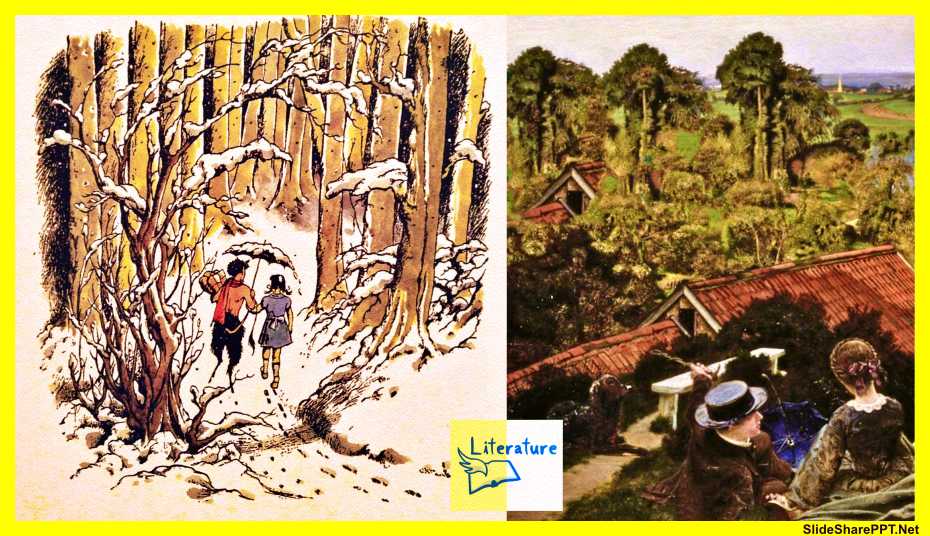
1st Comedy, 1st Tragedy, 1st Play
Here’s a table summarizing the key aspects of the mentioned works and figures:
| Aspect | Description | Examples |
|---|---|---|
| Comedy | “Ralph Roister Doister” by Nicholas Udall | A comedic play written by Nicholas Udall, considered one of the earliest English comedies. |
| Tragedy | “Gorboduc” or “Ferrex and Porrex” by Thomas Sackville and Thomas Norton | A tragic play written by Sackville and Norton, known for its significant role in the development of English drama. |
| Play Written in Blank Verse | “Gorboduc” | A notable example of a play written in blank verse, contributing to the evolution of dramatic poetry. |
| Father of Renaissance | Geoffrey Chaucer | Regarded as the “Father of Renaissance” for his influential contributions to English literature, particularly with “The Canterbury Tales.” |
| Child of Renaissance | Edmund Spenser | Acknowledged as a literary successor to Chaucer, Spenser is considered a “Child of Renaissance” for his epic poem, “The Faerie Queene.” |
This table outlines key works and figures associated with early English drama and the Renaissance period, showcasing the diversity and significance of literary contributions during this time.
Key Literary Contributions and Works of Renaissance Dramatists
Here’s a table summarizing the key aspects and examples related to the mentioned literary figures and works:
| Aspect | Description | Examples |
|---|---|---|
| AC Swinburne’s Attribution | Christopher Marlowe referred to as the “father of English tragic” by AC Swinburne | AC Swinburne recognized Marlowe’s significant contributions to English tragic drama. |
| Marlowe’s Work | “The Jew of Malta” by Christopher Marlowe | A notable play by Marlowe, showcasing his dramatic prowess and thematic exploration. |
| Shakespeare’s Adaptation | “The Merchant of Venice” (adaptation) by William Shakespeare | Shakespeare adapted elements from Marlowe’s works, demonstrating the influence of Marlowe on subsequent playwrights. |
| Greene’s Expertise | Robert Greene is considered a master of plot construction | Greene’s skill in constructing engaging plots is acknowledged in the literary world. |
| Shakespeare’s Technique | Shakespeare’s use of “play within play” | An innovative dramatic technique where a play is performed within the context of another play, as seen in works like “Hamlet.” |
| Thomas Kyd’s Work | “The Spanish Tragedy” by Thomas Kyd | A significant Elizabethan revenge tragedy, demonstrating Kyd’s impact on the genre. |
This table highlights key attributes and examples related to Marlowe, Shakespeare, Robert Greene, and Thomas Kyd, showcasing their contributions to English literature and drama during the Renaissance.
Elizabethan Age (1558-1603)
Here’s a table summarizing the key aspects of the Elizabethan Age, including its characteristics and notable figures:
| Aspect | Description | Examples |
|---|---|---|
| Time Period | Elizabethan Age (1558-1603) | |
| Reigning Monarch | Elizabeth I | |
| Characteristics | 1. Vigorous intellectual thinking 2. Age of adventure and discovery 3. New ideas and experiences | A period marked by vibrant intellectual activity, exploration, and the embrace of novel ideas and experiences. |
| Historical Events | – Thirty Years War (1618-1648) – The Defeat of the Spanish Armada (1588) | The impact of major historical events on the broader context of the Elizabethan Age. |
| Golden Age of English Poetry & Drama | – Shakespeare – Ben Jonson – Bacon – University Wits – Sir Philip Sidney | A flourishing period for English literature, with notable contributions from various literary figures. |
| Ben Jonson’s Contribution | – Started Comedy of Humour – Shakespeare knew little Latin, less Greek | Jonson’s impact on the development of comedic literature and his relationship with Shakespeare. |
This table provides a concise overview of the Elizabethan Age, highlighting its characteristics, key historical events, and the significant literary figures who contributed to the Golden Age of English poetry and drama during this period.
Jacobean Age – (1603-1625)
Here’s a table summarizing the key aspects of the Jacobean Age, including notable works and figures:
| Aspect | Description | Examples |
|---|---|---|
| Time Period | Jacobean Age (1603-1625) | |
| Monarch | James VI of Scotland became James I of England | |
| Events | HOLM (Hamlet – 1601, Othello – 1604, King Lear – 1605, Macbeth – 1606, The Tempest – 1611) | Major plays by William Shakespeare during the Jacobean era. |
| Literary Figures | – Ben Jonson – Thomas Middleton – Cavalier Poets – John Donne – Francis Bacon | Key literary figures who contributed to the Jacobean literary scene. |
| King James Bible | Published in 1611, a significant English translation of the Bible | A major literary and religious work of the Jacobean era. |
| Masque Tradition | Ben Jonson started writing masques (mask plays) | Jonson’s contribution to the popular masque tradition of elaborate court entertainment. |
| Chapman’s Translation | 1617 – George Chapman’s translation of Homer’s “The Iliad” and “The Odyssey” | Chapman’s noteworthy translation of classical epics during the Jacobean Age. |
This table provides a concise overview of the Jacobean Age, emphasizing significant works, literary figures, and cultural developments during this period.
Decline / End of the Renaissance
Here’s a table summarizing the key aspects of the Decline/End of the Renaissance, including the Caroline Age, Commonwealth Period, and notable poets and events:
| Aspect | Description | Examples |
|---|---|---|
| Time Periods | – Caroline Age (1625-1649) – Commonwealth Period (1649-1660) | |
| Monarch | Charles I (Son of James I) | |
| Age of Milton | – | The period was marked by the literary contributions of John Milton. |
| Cavalier Poets | – Thomas Carew – Richard Lovelace – John Suckling – Edmund Waller – Robert Herrick | Notable poets who celebrated courtly love and royalist ideals during the Caroline Age. |
| Metaphysical Poets | – John Donne – George Herbert – Henry Vaughan – Abraham Cowley – Katherine Philips | A group of poets known for their intellectual and often abstract approach to poetry. |
| Shift in Poetry | – Poetry turned to a new dimension – Literature tended towards Platonic love – Theatre closures due to the plague (1638-1639) | Changes in poetic themes and the impact of external factors on the literary landscape. |
| Commonwealth Period | – Charles I declared the Civil War – Charles I was charged with tyranny and treason – Charles I was executed in 1649 – Puritans became victorious – Theatre closures due to perceived immorality – Oliver Cromwell became Lord Protector (Interregnum/Protectorate) | Political and social upheavals during the Commonwealth Period, affected literature and cultural life. |
| Key Figures of Commonwealth Period | – Thomas Hobbes – Thomas Browne – John Milton – Abraham Cowley – Andrew Marvell | Influential figures in literature and philosophy during the Commonwealth Period. |
This revised table includes the details about the Caroline Age, the shift in poetry, and the Commonwealth Period, providing a more comprehensive overview of the decline and end of the Renaissance.
Also read: testbookpdf.com
Neo-Classical Age (1660-1798)
Here’s a table summarizing the key aspects of the Neo-Classical Age, focusing on its characteristics and notable features:
| Aspect | Description | Examples |
|---|---|---|
| Time Period | Neo-Classical Age (1660-1798) | |
| Literary Characteristics | – Attempt to follow the rules of Roman classical writings – Use of Dilectie & Heroic Couplets – Pseudo-classical Age with traditionalist writers | Writers aimed to adhere to classical norms, using specific poetic forms like Dilectie and Heroic Couplets. There was a tendency towards traditionalism in literature. |
| View of Literature as an Art | – Literature regarded as an art form | Authors viewed literature as a refined and artistic pursuit. |
| Subject of Poetry | – Man and his activities taken as the main subject of poetry | Poetry centered around human experiences and actions. |
| Use of Satire | – Authors used satire as a corrective tool | Satire was employed to criticize societal issues and provide social commentary. |
| Innovative Thinking | – Authors were not conservative – Emphasis on new inventions and imagination | A departure from conservative views, embracing new ideas and imaginative thinking. |
| Theatre Reopening | 1660 – Theatre reopened after being closed during the Commonwealth Period | The restoration of the monarchy led to the reopening of theatres. |
This table provides a concise overview of the Neo-Classical Age, outlining its literary characteristics, the use of satire, and the renewed emphasis on classical rules and artistic pursuits.
Restoration Age / Age of Dryden (1660-1700)
Here’s a table summarizing the key aspects of the Restoration Age, also known as the Age of Dryden, along with notable features and figures:
| Aspect | Description | Examples |
|---|---|---|
| Time Period | Restoration Age / Age of Dryden (1660-1700) | |
| Historical Context | – Monarchy restored – Charles II (son of Charles I) became king – Deep influence of French culture – 1660 – The Glorious Revolution/The Bloodless Revolution | Significant historical events shaping the era. |
| Literary Figures | – Dryden (John Dryden – father of English criticism) – I. A. Richards (father of New Criticism) – Bunyan, Thomas Hobbes, Samuel Pepys (diarist), William Congreve (comedy of manner) | Prominent literary figures and their contributions. |
| Dryden’s Contribution | – Dryden known as the father of English criticism | John Dryden’s significant role in shaping literary criticism. |
| Father of New Criticism | – I. A. Richards | I. A. Richards’ pioneering role in the development of New Criticism. |
| Literary Genres | – Dryden’s political satires – Bunyan’s allegorical work – Pepys’ diaries – Congreve’s comedy of manners | Varied literary genres represented during the Restoration Age. |
This table provides a brief overview of the Restoration Age, emphasizing its historical context, key literary figures, and notable literary contributions, including Dryden’s influence on criticism and the diverse literary genres of the time.
Augustan Age (1700-1745)
Here’s a table summarizing the key aspects of the Augustan Age, also known as the Age of Pope or Age of Reason, along with notable figures and features:
| Aspect | Description | Examples |
|---|---|---|
| Time Period | Augustan Age (1700-1745) | |
| Literary Characteristics | – Age of Pope / Age of Reason – Influenced by Emperor Augustus and classical writers like Virgil, Horace, and Ovid | Literary characteristics and influences shaping the era. |
| Prominent Authors | – Pope, Addison, Swift, Goldsmith, Steele, Daniel Defoe | Key literary figures of the Augustan Age and their contributions. |
| Political Context | – Whig / Tory – Dominating political parties of the time | Political landscape influencing literature. |
| Literary Styles | – Use of satire and heroic couplets – 1744 – Pope, 1745 – Swift – Shift from political satire to melodrama – Rapid development of the novel | Notable literary styles and changes during the period. |
| Cultural Shifts | – Drama turning from political satire to melodrama – Emphasis on capitalism and trade | Cultural shifts and influences on literary works. |
| Global Literary Influences | – Influence of Voltaire and Goldsmith | International influences on literature during the Augustan Age. |
This table provides an overview of the Augustan Age, highlighting its literary characteristics, key authors, political context, and cultural shifts that shaped the period.
Age of Transition / Sensibility / Dr Johnson (1745 – 1798)
Here’s a table summarizing the key aspects of the Age of Transition, also known as the Sensibility era or the time of Dr. Johnson, along with notable features and figures:
| Aspect | Description | Examples |
|---|---|---|
| Time Period | Age of Transition / Sensibility / Dr. Johnson (1745 – 1798) | |
| Characteristics | – Era of change from Pseudo-classicism to Romanticism – Pre-Romantic Age – A shift in literary and cultural attitudes | Key features and characteristics shaping the era. |
| Notable Literary Figures | – Dr. Johnson (A Dictionary of the English Language) – Goldsmith – Thomas Gray – Collins – Blake – Richardson – Henry Fielding – Horace Walpole | Prominent literary figures and their contributions. |
| Transition to Romanticism | – Shifting away from Pseudo-classicism towards Romantic ideals | Literary transition and evolving trends in the era. |
| Literary Empathy | – The quality of empathy, feeling the misery of others | A heightened emotional and empathetic approach in literature. |
| Language and Lexicography | – Dr. Johnson’s monumental work, A Dictionary of the English Language | Influence of Dr. Johnson on language and lexicography. |
| Diverse Literary Genres | – Works encompassing poetry (Blake), novels (Richardson, Fielding), and essays (Goldsmith) | A variety of literary genres represented during the era. |
This table provides a concise overview of the Age of Transition, emphasizing its characteristics, notable figures, and the transition from Pseudo-classicism to Romanticism.
Romantic Age / Age of Wordsworth (1798-1837) (1832)
Here’s a table summarizing the key aspects of the Romantic Age, also known as the Age of Wordsworth, along with notable features and figures:
| Aspect | Description | Examples |
|---|---|---|
| Time Period | Romantic Age / Age of Wordsworth (1798-1837) (1832) | |
| Revolt Against Pseudo-classical Age | – A revolt against the Pseudo-classical age | Rejection of classical norms and a desire for new forms of expression. |
| Influence of the French Revolution | – Highly influenced by the French Revolution – French Revolution motto: Fraternity, Equality, and Liberty | Impact of political and social upheaval on literature. |
| Rejection of Neo-classical Ideals | – Rejection of the ideals of the Neo-classical age | Departure from the rationalism and order of the previous era. |
| Expression of Passion and Pathos | – Expression of passion, pathos, and personal feelings | Emphasis on individual emotions and subjective experience. |
| Notable Literary Figures | – William Wordsworth – Samuel Taylor Coleridge – Lord Byron – Percy Bysshe Shelley – John Keats | Prominent poets and writers who defined the Romantic Age. |
| Literary Manifesto – Lyrical Ballads | – 1798 – Lyrical Ballads published as a manifesto of the Romantic Age | Important literary work that set the tone for Romantic ideals. |
| Focus on Nature and Imagination | – Romantic poets celebrated nature and embraced imaginative freedom | A strong emphasis on the beauty of nature and the power of imagination. |
This table provides a brief overview of the Romantic Age, highlighting its revolt against classical norms, influence of the French Revolution, and the emphasis on individual expression and nature.
Older and Younger Romantic Poets
Here’s a table summarizing the key aspects of the Older Romantics (Lake poets) and Younger Romantics, along with notable features and figures:
| Aspect | Description | Examples |
|---|---|---|
| Older Romantics (Lake Poets) | – William Wordsworth – Samuel Taylor Coleridge – Robert Southey – Walter Scott (sometimes included) | Poets associated with the Lake District, focusing on nature and emotion. |
| Poet of the Supernatural | – Coleridge (Known for his poems with supernatural elements) | Exploration of supernatural themes in Coleridge’s poetry. |
| Theory of Poetry – Coleridge | – Coleridge developed a significant theory of poetry, emphasizing imagination and the suspension of disbelief | Coleridge’s influential ideas on the nature of poetry. |
| Younger Romantics | – Percy Bysshe Shelley – John Keats – Lord Byron – Hazlitt (sometimes included) | Poets known for their revolutionary ideas and distinct styles. |
| Literary Focus and Themes | – Older Romantics often focused on nature and emotion, embracing simplicity – Younger Romantics explored themes of passion, individualism, and the sublime | Diverse literary themes and focuses within the Romantic movement. |
| Notable Prose Writers | – More, Leigh Hunt, Lamb, Jane Austen, Quincy | Prose writers associated with the Romantic period. |
| Impact on Romantic Literature | – Contributions to the development of Romantic ideals and literary forms | Influence on the broader Romantic literary movement. |
This table provides an overview of both the Older and Younger Romantics, showcasing their unique contributions and characteristics within the broader context of the Romantic movement.
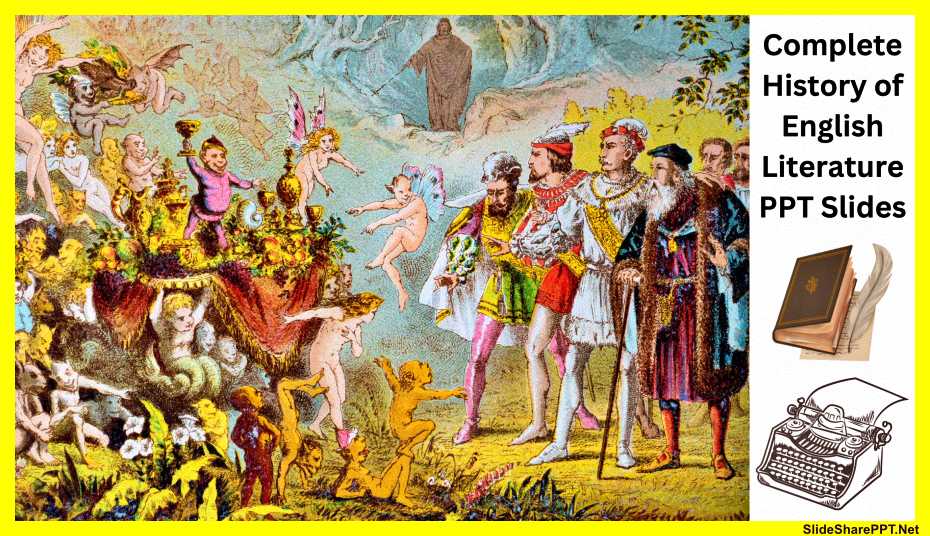
Lyrical Ballads
Here’s a comprehensive table summarizing the key aspects of Lyrical Ballads, including poems and details about each edition:
| Aspect | Description | Examples and Additional Content |
|---|---|---|
| Lyrical Ballads (1798) | – Manifesto of the Romantic Age – 4 poems by Coleridge: 1. The Rime of the Ancient Mariner 2. The Nightingale 3. Foster Mother’s Tale 4. The Dungeon – 19 poems by Wordsworth – Important and last poem: “Tintern Abbey” – Total 23 poems | The varied collection reflects nature, emotion, and everyday life, setting the tone for Romantic ideals. |
| Editions | – I Edition (1798) – II Edition (1800) – Added Preface by Wordsworth – III Edition (1802) – Included An Appendix on Poetic Diction by Wordsworth – IV Edition (1805) – Further revisions and additions | Each edition marks changes, additions, and refinements in response to critical and personal considerations. |
| Examples of Notable Poems | – Coleridge’s “The Rime of the Ancient Mariner,” “The Nightingale,” “Foster Mother’s Tale,” “The Dungeon” – Wordsworth’s “Tintern Abbey” (Important and last poem) | The poems cover a range of themes, from supernatural elements to reflections on nature and human experience. |
| Preface and Appendix | – II Edition (1800) added a Preface by Wordsworth explaining principles – III Edition (1802) included An Appendix on Poetic Diction by Wordsworth | Additional insights into the poets’ thoughts on poetry, language, and the purpose of their work. |
| Total Number of Poems | – 23 poems in total across all editions | A diverse collection capturing the essence of Romantic ideals. |
This table provides a comprehensive overview of Lyrical Ballads, detailing the poems, editions, and additional content that shaped its significance in the Romantic Age.
Precursor of the Romantic Age
Here’s a table summarizing the key details of “The Seasons” by James Thomson, considered a precursor of the Romantic Age, along with its characteristics:
| Aspect | Description | Examples and Characteristics |
|---|---|---|
| Literary Work | “The Seasons” by James Thomson | A significant precursor to the Romantic Age. |
| Number of Poems | 4 poems | – “Spring,” “Summer,” “Autumn,” “Winter” |
| Characteristics of “The Seasons” | – Focus on the writer’s or narrator’s emotions and inner world – Celebration of nature, beauty, and imagination – Rejection of industrialization – Idealization of women, children, and rural life – Supernatural or mythological elements, similar to later Romantics – Experimental use of language, including the use of blank verse | The work captures the essence of Romantic themes and ideals. |
This table provides a concise overview of “The Seasons” by James Thomson, highlighting its characteristics and its role as a precursor to the Romantic Age.
Victorian Age (1837-1901) (1832-1901 )/ Tennyson
Here’s a table summarizing the key aspects of the Victorian Age, including notable features, characteristics, and representative figures:
| Aspect | Description | Examples and Notable Figures |
|---|---|---|
| Era | Victorian Age (1837-1901) / (1832-1901) | A period of significant change and development during Queen Victoria’s reign. |
| Monarch | Queen Victoria (1837-1901) | The queen’s long reign witnessed major social, political, and cultural shifts. |
| Reform Act | 1832 | The Reform Act of 1832 brought about political changes in the United Kingdom. |
| Character of the Age | – Age of peace and prosperity – Age of dilemma and confusion – Age of scientific discoveries and inventions | The Victorian era experienced both progress and challenges. |
| Attitudes – Scepticism and Pessimism | – Steep decline in morality – Questioning of traditional church rules – Focus on the masses | A shift in societal values and increasing skepticism towards established norms. |
| Literature – Victorian Poetry | – Realistic in nature – Less idealized depictions – Emphasis on rural life | Poets like Tennyson, Robert Browning, Arnold, Dickens, Thackeray, Hardy, DG Rossetti. |
This table provides an overview of the Victorian Age, capturing its key characteristics, significant events, and influential figures in literature.
Read the Previous Post: Antimicrobial Resistance Nanotechnology
Modern Age (1901-1950)
Here’s a table summarizing the key aspects of the Modern Age (1901-1950), including the Edwardian Age, World War I, World War II, and notable literary figures:
| Aspect | Description | Examples and Notable Figures |
|---|---|---|
| Modern Age (1901-1950) | A period of significant cultural, social, and technological changes. | |
| Edwardian Age (1901-1914) | The initial phase of the Modern Age, marked by Edward VII’s reign. | |
| World War I (1914-1918) | A global conflict that had a profound impact on the world. | – Wrote “Would War I” during and after the war: James Joyce, Virginia Woolf, T.S. Eliot. |
| Age of War and Industrialization | A time of significant technological and industrial progress. | |
| World War II (1939-1945) | Another global conflict with widespread consequences. | |
| Literary Characteristics | – Individualism – Experimental writing – Free verse – Stream of consciousness – Absurdity | Notable writers include James Joyce, Virginia Woolf, T.S. Eliot, known for their innovative literary styles. |
| Symbolism in Literature | A literary movement emphasizing symbols and abstract ideas. | – Robert Bridges – John Masefield – W.B. Yeats – T.S. Eliot – W.H. Auden – George Bernard Shaw – John Galsworthy |
This table provides an overview of the Modern Age, highlighting key periods, events, and influential figures in literature during this time.
So, this is Lecture 1, The Rest of the Lectures are Available on this Website for Free,
Before you Forget and do Something New, Share it with your friends,
Help them, and then move to Lecture 2, Simple !!!
Don’t make faces, do what you’re told ☺
List of All English Literature PPTs – Here it is
Thanks for the Series of English LITERATURE PPT